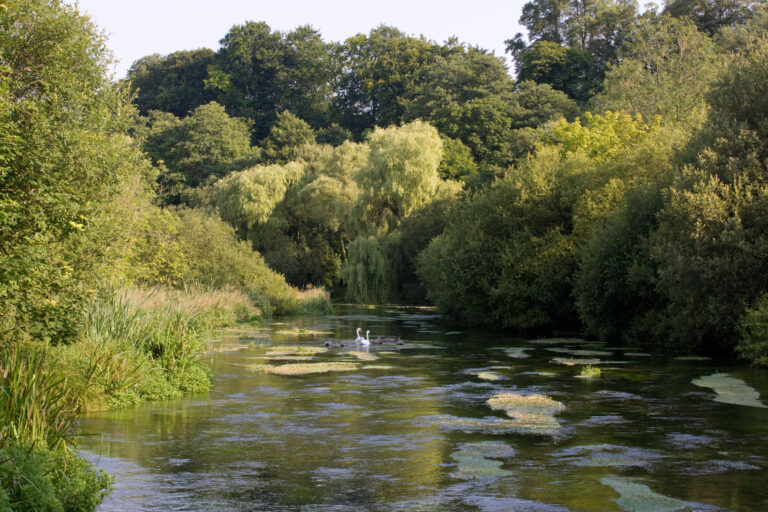
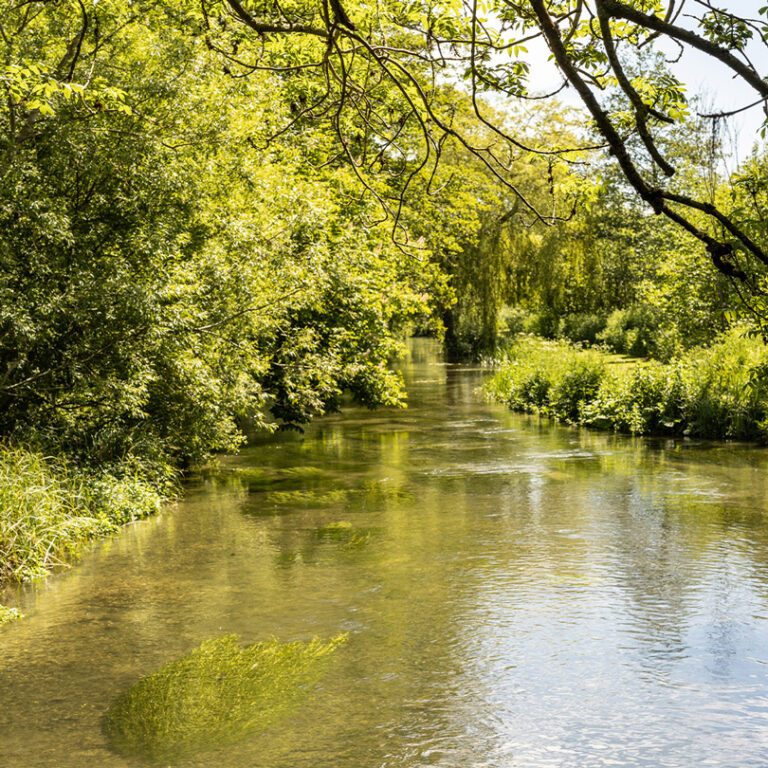
The story of the chalk streams is one of tectonic marvel and human masterpiece. Cast your mind back to those meandering scribbles all over the school blackboard. That very same chalk has laid beneath our feet for millennia.
The chalk downs were formed during the cretaceous period, the last part of the age of the dinosaurs, between 65 and 145 million years ago. Brought to the surface with the rising of the Alps, a little over 45 million years ago, vast reams of chalk act like giant sponges, storing rainwater in aquifers for days, weeks, and months before it is returned to the chalk streams filtered of all impurities, tap clear and rich in essential minerals.
There are a little over 200 chalk streams in the world and in the United Kingdom, we have 85% of them. It is no secret they have been manipulated by humans since the roman era for irrigation, transportation and trade, and even the Anglo Saxons built water mills that feature in the Domesday book.
By the turn of the 16th century, water meadows were flooded to revitalize the soils, extend the grazing season, and improve crop yields. But it was the Victorians who first innovated fishing by the fly in the mid 1800’s and later managed the chalkstreams for their esteemed sporting assets. It is thanks to such perpetual stewardship that the chalkstreams we wade today are in many ways the same as they were for centuries before us.
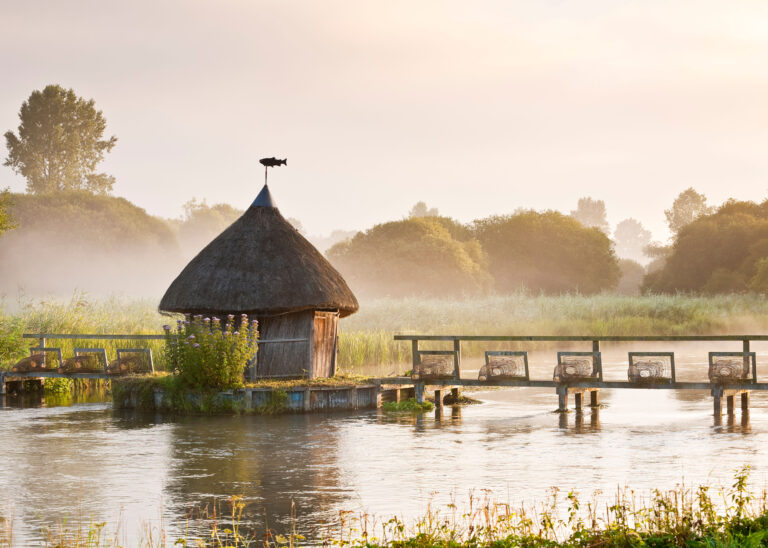
The southern chalkstreams in particular, of Hampshire, Wiltshire, and Dorset, immortalized in the writings of fly fishing frontiersmen, Izaak Walton, Frederic M. Halford and Harry Plunket Greene, are among the most highly revered of all. The world famous River Test and Itchen, the King and Queen of the chalkstreams, are often described as the birthplace of modern fly fishing and a mecca for devoted fly anglers who pilgrimage from far and wide to fish in the footsteps of their founding forefathers.